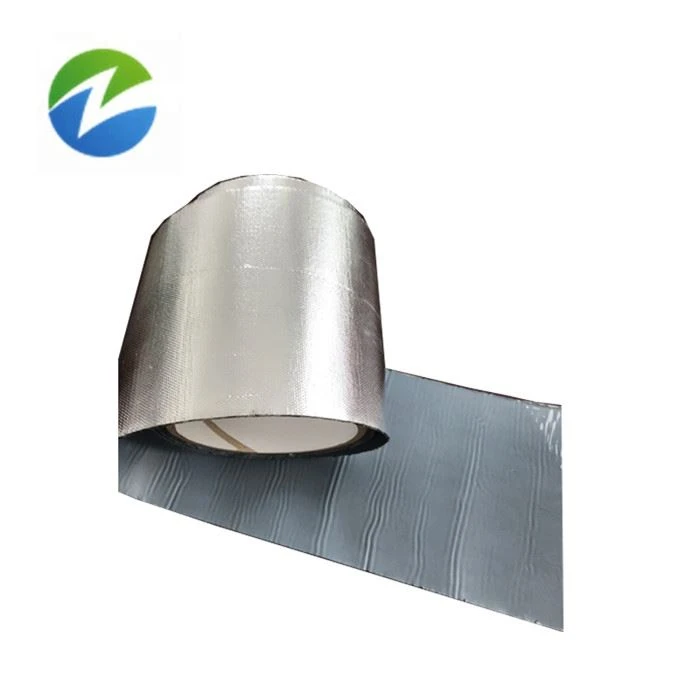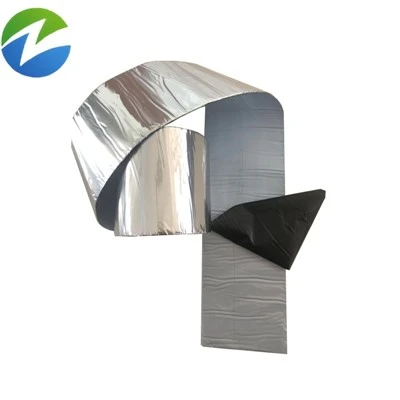

With the use of both Butyl Tape and Aluminum Foil Tape in sealing, waterproofing, HVAC and roofing and construction projects, it can be confusing to choose which one to use.
While they may seem alike in some uses, the tapes are different in terms of material used, method of attachment, durability, flexibility and environmental resistance.
To help you choose the tape that is most suitable, we will be highlighting all the important properties, applications, installation properties, and performance factors of Butyl Tape and Aluminum Foil Tape.
What is Butyl Tape?
Butyl Tape is a pressure-sensitive sealing tape which is made from main material synthetic butyl rubber.
Butyl tape is flexible and tacky compared to conventional adhesive tapes, which is why it stays tacky and flexible after application. This allows it to form an air-tight and leak-proof seal even in cases of substrate expansion, contraction or vibration.
Butyl tape is commonly used due to its outstanding sealing properties in:
* Roofing systems
* RV and Caravan sealing
* Window installation
* Metal building construction
* Waterproof membrane joints
* Automotive sealing
It has many benefits, most notably its ability to be conformed to irregular surfaces.
What is Aluminum Foil Tape?
Aluminum Foil Tape is the tape comprising of aluminum foil and an adhesive acrylic or synthetic rubber adhesive applied to the back of the aluminum foil.
The aluminum layer reflects heat well, is UV resistant and moistureproof and resistant to air leakage.
The use of aluminum foil tape is widespread, such as:
* HVAC duct systems
* Insulation projects
* Refrigeration equipment
* Heat shielding applications
* Pipe wrapping
* Industrial maintenance
The performance of aluminum foil tape is primarily due to the metal backing and not to the thick sealing compound used with butyl tape.
Main Components of Butyl Tape and Aluminum Foil Tape
|
Property |
Butyl Tape |
Aluminum Foil Tape |
|
Base Material |
Butyl Rubber |
Aluminum Foil |
|
Adhesive Type |
Butyl Compound |
Acrylic or Rubber Adhesive |
|
Flexibility |
Excellent |
Moderate |
|
Waterproofing |
Excellent |
Good |
|
Heat Reflection |
Limited |
Excellent |
|
UV Resistance |
Good |
Excellent |
|
Surface Conformability |
Excellent |
Moderate |
Cost Comparison: Butyl Tape Vs Aluminum Foil Tape
In general, it is more cost-efficient to use aluminium foil tape for HVAC and insulation work.
Butyl tape is however, often the better value in an application where it also serves as an adhesive and a sealant.
|
Tape Type |
Relative Cost |
|
Butyl Tape |
Medium to High |
|
Aluminum Foil Tape |
Low to Medium |
Service life and maintenance requirements should also be taken into account in the total cost of the project.
Adhesion Performance Comparison
Adhesion strength: Butyl tape generally has a better adhesion on rough or uneven surfaces than aluminum foil tape.
Butyl Tape
Advantages:
The material sticks to metals.Attaches easily to metals.
* Bonds to glass
* Adheres to concrete
Able to be used on wood surfaces
Tolerant of having texture on the surface
Aluminum Foil Tape
Advantages:
High bond strength with clean metal surfaces
Good performance in HVAC ducts
* Designed to work on either side of the insulation material
Limitations:
This is a limitation of the products' performance on porous surfaces.
Needs a cleaner substrate to work well.
Waterproof Performance
One of the major differences is waterproofing.
Butyl Tape
Butyl tape creates a compression seal that is resistant to water, and flexible for many years.
The material is waterproof so the sealing performance is unaffected even if there is a slight movement in the joint.
Aluminum Foil Tape
Aluminum foil tape is not designed for long-term waterproof joint protection and its water resistance is not as good as that of PTFE tape.
Usually, butyl tape is used to repair roof leaks and to waterproof the outside of the roof.
Temperature Resistance Comparison
|
Property |
Butyl Tape |
Aluminum Foil Tape |
|
Low Temperature Performance |
Excellent |
Good |
|
High Temperature Resistance |
Good |
Excellent |
|
Heat Reflection |
Limited |
Excellent |
|
Thermal Conductivity |
Low |
High |
Aluminum foil tape is often selected for applications involving elevated temperatures and heat reflection.
Examples include:
* Air ducts
* Insulation systems
* Exhaust protection
* Refrigeration equipment
UV Resistance Comparison
Sunlight can have a great impact on adhesive products.
Butyl Tape
Modern butyl tapes are resistant to most UV rays but will need some form of protection in extreme outdoor conditions.
Aluminum Foil Tape
The aluminum backing will naturally reflect sunlight and UV rays, making it perfect for outdoor use.
Aluminum foil tape can frequently provide better long term UV protection.
Flexibility Comparison
Flexibility becomes critical when substrates experience movement.
|
Property |
Butyl Tape |
Aluminum Foil Tape |
|
Stretchability |
Excellent |
Limited |
|
Conformability |
Excellent |
Moderate |
|
Vibration Resistance |
Excellent |
Good |
|
Joint Movement Accommodation |
Excellent |
Limited |
Butyl tape is made from rubber, which allows it to be flexible over a wide temperature range.
Durability and Service Life
Both products can provide years of service when properly installed.
Butyl Tape
Expected Service Life:
* 10–20 years or more
* Excellent weather resistance
* Outstanding sealing durability
Aluminum Foil Tape
Expected Service Life:
Depending on environment, 5-15 years.
* Excellent UV stability
* Excellent resistance to cracking, swelling and aging
Applications of Butyl Tape Vs Aluminum Foil Tape
The following are typical applications for butyl tape:
* Roof repair
* Metal roofing seams
* Window flashing
* RV waterproofing
Solar panel mounting seals
* Curtain wall joints
The most common applications for Aluminum Foil Tape are:
* HVAC ducts
* Insulation systems
* Refrigeration equipment
* Heat shielding
* Pipe insulation
* Air sealing systems
Installation and Workability
Installing Butyl Tape
1. Clean the substrate.
2. Remove release liner.
3. Apply pressure evenly.
4. Squeeze the tape into the joint.
Attach Aluminum Foil Tape:
1)Wipe dry and clean.
2)Position tape accurately.
3)Roll a pressure to line
4)Eliminate air bubbles.
Aluminium foil tapes tend to give a cleaner look and butyl tapes give better sealing.
Butyl Tape vs Aluminum Foil Tape: Which One to Use?
|
Property |
Butyl Tape |
Aluminum Foil Tape |
|
Seal Strength |
Excellent |
Good |
|
Tear Resistance |
Good |
Excellent |
|
Puncture Resistance |
Moderate |
Good |
|
Joint Movement Resistance |
Excellent |
Moderate |
|
Weather Resistance |
Excellent |
Excellent |
Think about your main objective.
Use Butyl Tape when:
Waterproofing is critical
The joint experiences movement
Surface irregularities exist
Long term sealing is needed
Use Aluminum Foil Tape when:
You need to reflect to heat in order to use it.
Sealing of ductwork is required (HVAC)
The exposure to UV is important.
A clean shiny metallic look is desired
Evaluate Environmental Conditions
Butyl tape is preferred on outdoor waterproofing applications.
High-temperature ducting and insulation systems usually favor aluminum foil tape.
The cost and maintenance of the product is also a factor that needs to be taken into account.
Although aluminum foil tape is less expensive, butyl tape can minimize the maintenance and repair needs for waterproofing.
Quick FAQs
Is Butyl Tape Waterproof?
Yes, Butyl Tape is waterproof.
Can Aluminum Foil Tape Stop Water Leaks?
Yes. Butyl tape comes in particular to form waterproof seals.
Will aluminum foil tape prevent water leaks?
It is waterproof, but is not the preferred material for long-term waterproof leak repairs.
Which tape lasts longer in the outdoors?
They both work reasonably well in the outdoors, but butyl tape tends to have better waterproof sealing properties than aluminum foil tape, and aluminum foil tape tends to have better UV resistance.
Which Tape Lasts Longer Outdoors?
Yes, Butyl Tape can be used on Metal Roofs!
Can Butyl Tape Be Used on Metal Roofs?
Yes. Butyl tape is one of the most popular materials used for metal roofing.
Can Aluminium Foil Tape be used for HVAC Ducts?
Yes. One of the most popular sealing materials for duct joints.
Conclusion
Butyl Tape and Aluminum Foil Tape can both be good sealing options, but they are used for different purposes.
Butyl Tape is often the preferred choice when superior waterproofing, flexibility and long-lasting sealing of joints are required.
For applications that include HVAC systems, insulation, heat reflection or UV exposure, Aluminum Foil Tape may be a better choice.
Knowing the conditions you're working in, what kind of movement you'll need and what performance you can expect from your project will help you decide on which tape to use.