



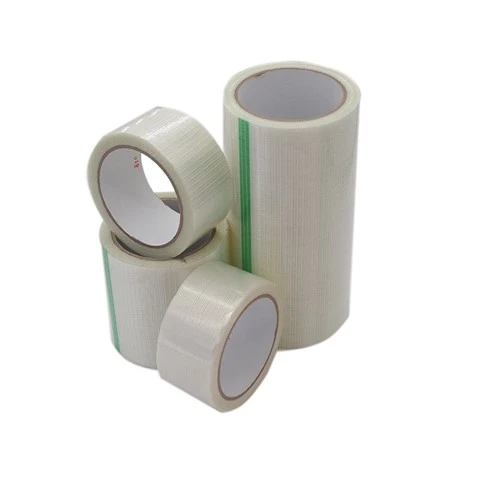
filament tape
Why Choose Us?
Rich Experience
With nearly 10 years of field experience, Zhonghao products are engineered for superior performance and ease of installation.
Professional Technical Team
We have more than 10 years of experience professional technique talents, provide pertinence solutions according to client's different kinds of requirements, and strictly with each producing process.
Professional Service
Free samples and typesetting adjustment for tapes, 3 days for customized samples, and 7 days for production order. And we provide full-time service when you have a problem during using of the tapes.
Widely Popular
Due to our economic solution and reliable quality performance, our tapes are popular all over the world, especially in South and East Asia, Europe, and America.
What is Packing Tape?
Packing tape is a familiar stationery staple. It is a sturdy tape used to seal packages, cardboard boxes, and storage cartons. Packaging tape is widely used both by consumers at home and in commercial settings such as warehouses, factories and shops.
-
![Cross Weave Tape Manufacturer]() Cross Weave Tape ManufacturerIt's reinforced with glass filaments for super strength. The backing is Fiberglass reinforced with biaxially oriented polypropylene film and coated with synthetic rubber.read more
Cross Weave Tape ManufacturerIt's reinforced with glass filaments for super strength. The backing is Fiberglass reinforced with biaxially oriented polypropylene film and coated with synthetic rubber.read more -
![Aluminum Foil Fiberglass Cloth Tape]() Aluminum Foil Fiberglass Cloth TapeA professional manufacturer of aluminum foil fiberglass cloth, this material is commonly used for insulation, soundproofing and heat shielding in industries such as construction, aerospace and...read more
Aluminum Foil Fiberglass Cloth TapeA professional manufacturer of aluminum foil fiberglass cloth, this material is commonly used for insulation, soundproofing and heat shielding in industries such as construction, aerospace and...read more -
![Single Sided Fiberglass Tape]() Single Sided Fiberglass TapeFiberglass tape is a type of tape made from woven fiberglass fibers. It is known for its high strength, durability, and resistance to heat and moisture. Fiberglass tape is commonly used in various...read more
Single Sided Fiberglass TapeFiberglass tape is a type of tape made from woven fiberglass fibers. It is known for its high strength, durability, and resistance to heat and moisture. Fiberglass tape is commonly used in various...read more -
![Fiberglass Tape For White Electronics Packing]() Fiberglass Tape For White Electronics PackingThe reinforced fiberglass yarn provides the filament tapes high tensile strength; the PET film backing provides excellent abrasion and moisture resistance. The proper packaging-grade adhesive is...read more
Fiberglass Tape For White Electronics PackingThe reinforced fiberglass yarn provides the filament tapes high tensile strength; the PET film backing provides excellent abrasion and moisture resistance. The proper packaging-grade adhesive is...read more


Advantages of Packing Tape
It's important to remember the power of marketing and branding. These are the essential strategies and studies on being relevant, interesting, engaging, and downright memorable. Some marketing ideas are grand and largely scaled while others are simple yet elegant. A good example of a simple and effective marketing and branding combo is custom labeling.
Boxes may seem like an inexpensive average everyday item, but truth be honest they are not. According to this study, the packaging doesn't only eat one's financial resource, it also eats a lot of time. Finding the right box requires a lot of research on measurement, durability, label area, and especially backup boxes. However, it turns out that packaging tape can easily shave off some of the expenses and anxiety from the research.
One of the most important things in terms of packaging is assurance. Being able to instantly see if something has been tampered with is a very crucial and essential part of modern packaging designs. This easily distinguishable kind of design is called tamper-evident design. It's a design that helps people in identifying if something has been tampered with. These designs range from morphing labels, creating imperfections, and leaving marks.
Damage expense is an important part of calculating one's loss. A damaged package can mean opportunity costs, delivery anxiety, loss of consumer interest, and a whole lot of unwanted and negative feelings over an unsecured package. One of the most basic layers of protection a packaging tape can provide is adding custom labels. Adding a simple “please handle with care” or “fragile” can give the couriers enough knowledge to know if a package needs extra care. However, because of constant packaging tape research and development, there are other kinds of packaging tape that provide specific levels of security or use. Here are some examples.
Types of Packing Tape
Masking Tape
Masking tape, also known as painter's tape, is one of the most versatile, pressure-sensitive packing tapes available. It's a paper tape commonly used in painting, crafting, labeling and lightweight packaging. It's a great choice to avoid leaving marks or residue on your packaging materials.
Filament Tape
Filament tape is a heavy-duty, secure packing tape. Also known as strapping tape, filament tape contains thousands of fibers intertwined and ingrained into an adhesive backing. This construction makes filament tape a durable option with a high tensile strength that avoids tearing, splitting and abrasion.
PVC Tape
PVC tape consists of a flexible polyvinyl chloride film coated with a natural rubber adhesive. It can stretch without breaking due to its elastic properties. PVC tape is ideal for heavy-duty applications, such as shipping large parts or bulky supplies. Workers enjoy using it because it releases from the roll quietly, doesn't stick to itself and readjusts easily if needed.
Copper Foil Tape
Copper foil tape consists of a strip of copper backed with a layer of adhesive. It's a must-have if you're shipping products sensitive to static electricity. This type of tape is often used in electronic design and production since electronic components are susceptible to static
Military Specification Tape
Military specifications, or mil-specs, were developed to help standardize and unify the selection process for materials used by the military. Mil-specs make it easy for engineers to find and select products suitable for military applications.
Application of Packing Tape
Branding
Our favorite, obviously! You can use custom packing tape to advance your branding initiatives. Custom printed tape enhances brand exposure and impressions, serving as a cost-effective mini-billboard with your company's logo, contact information, or promotional message.
Sealing
Sealing packages is the most common use for packing tape. The right tape for your application will depend on factors such as package weight, temperature, and security requirements. The heavier your packages, the thicker and stronger your packing tape should.
Wrapping
Wrapping is another use for custom packing tape that helps hold items in place and adds a layer of protection from outside elements, such as dirt and moisture. For large wrapping jobs, consider longer-length rolls to reduce the frequency of reorders.
Reinforcing
If you're sealing a heavy or awkward package, reinforcing it with a strong custom packing tape can enhance package integrity and security. Go for a paper tape with reinforced fiberglass threads or a utility-grade strapping tape for this application.
Bundling
Bundling packages is yet another use for custom packing tape. For the best results, look for a utility-grade strapping tape with a synthetic rubber adhesive for a long-lasting bond, moisture- and solvent-resistant properties, and a split- and crack-resistant backing.
Unitizing
You can also use certain types of packing tape for unitizing pallets, making it easier to transport them into carrier vehicles to maximize shipping productivity. If you're looking to unitize your packages, look for strapping packing tape with reinforced fibers.
Masking
Some types of packing tape can also take on your heavy-duty masking applications. If you have a masking job that requires a stronger solution than traditional masking tape, look for a robust flatback packing tape with low-tack adhesive properties.
Edging
You can use specialized types of packing tape for your edging jobs, too. Like for masking applications, go for a flatback solution with low-tack adhesive properties that allow you to apply and remove without leaving residue behind.
Binding
Binding packages or goods is another optimal use for specialty types of packing tape, like flatback tape. This easy-to-use product is easy to dispense and tear and features low-tack adhesive properties, leaving no residue.
Splicing
Splicing is another use for packing tape, where you can make manufacturing processes continual by joining the end of a web or roll of material with another. A splicing tape that's easy to dispense and tear can produce the best results.
What Is Packing Tape Made From?
01
The backing or carrier
This the material its made from. In the case of packing tape, the backing is often made from polypropylene, vinyl or kraft paper. Other more technical tapes might have a backing or carrier made from other materials such as crepe paper or even cloth.
02
The adhesive
This is the stuff that makes packaging tape stick. There are several different adhesives including acry
03
The liner
When it comes to packing tape, a liner is sometimes used on some pressure sensitive tapes or double sided tapes. It stops layers of the backing material from sticking together.

What Types of Material Are Used to Make Packing Tape?
Polypropylene tape (also referred to as polyprop tape) is the most common type of packing tape you'll come across. It's made from polypropylene plastic, which is a cost-effective base material. It's strong and reasonably robust and is widely available in clear and buff colours. This kind of tape is a good, basic all-rounder for domestic, office and general transit packaging requirements.
If you want a premium packing tape PVC is the material you need. Made from polyvinyl chloride film this kind of tape is stronger and resistant to a wider range of temperatures. This kind of tape is often referred to as vinyl tape or even premium packing tape.
A great alternative to plastic tape, paper tape is recyclable and biodegradable. You'll find paper tape available as self-adhesive tape or gummed paper tape. Self-adhesive paper tape operates like regular plastic packing tape. it comes on a roll and can operated the same way on a tape gun or taping machine. In contrast, gummed paper tape, is lined with a water activated adhesive. It requires moistening before being applied to a cardboard box for sealing. The adhesive forms a tamper evident bond. Both types of paper tape are strong. For many businesses, swapping to paper tape is an easy way to remove plastic from supply chains and control the amount of packaging material used, as you can often use less paper tape vs. plastic tape. Click here for more information about the benefits of choosing gummed paper tape.
This is packing tape that is reinforced with fibres that run down and across the length of the tape. Reinforced packing tape tape is excellent for bundling heavy products, sealing and reinforcing. Ideal to use with cardboard boxes loaded with heavy product and pallet or container boxes. Both plastic and paper tape can be reinforced. You may see this referred to as cross-weave tape as well as reinforced tape.
What Are the Different Adhesive Types Used on Packing Tape?

Acrylic
You can get water-based or solvent-based acrylic adhesives, it has great bonding properties. Water based will be cheaper than solvent based adhesives.

Solvent
Wf you are looking for long term strength, solvent based adhesives could be great for you, as it can be stuck down with low pressure.

Hot Melt
When heated, this synthetic resin becomes tacky which creates this adhesive. It is one of the strongest types and should be applied with an applicator.

Water Activated
This is a starch based adhesive used on gummed paper tape. It requires water to activate it and it solidifies as it dries.
What Do I Need to Consider When Buying Packaging Tape?
Width
Width can be determined by a few factors. How big is your logo? How heavy is your box? Having a wider tape means more adhesive to seal the package. Our standard widths are 2” and 3” but we can customize the width to fit your needs. Overall, make sure you've chosen a tape wide enough to maximize the look of your logo and strong enough to keep your packages sealed.
Color
Choosing the tape color is usually a matter of design and can be determined by the color of your boxes or the brand appearance that you are striving to achieve. We offer the standard tape colors of white, tan and clear as well as some colors like red and yellow. In addition we can also flood coat white tape with any custom color. Sometimes companies use color tape for caution reasons or it fits their branding. Different colored tapes can also help distinguish between different products or shipments to different locations.
Temperature
Unused plastic tape can last a long time with proper care. Paper tape will last forever. The best situation for plastic tapes is a dark, climate controlled room so your tape retains its adhesive quality. The same holds true for after tape is used for shipping and what is good for your tape is good for your products. Some tapes are designed to withstand colder temperatures. Always asks for the tapes specifications if you are unsure of what you need or ask for a sample.
Adhesive
Talk to your tape supplier to find the best type of adhesion for your packaging. Some tape varieties will adhere better to your boxes than others. There are hot melt and acrylic adhesives for polypropylene tape and PVC tape comes with a rubber-based adhesive. Paper tape comes with a water-based adhesive. Ask for samples to test on your packaging if you want to be sure of what will stick best.
Grade
The term “grade” refers to the thickness of the tape. The higher that number, the thicker and stronger the tape. Polypropylene comes in 1.9 mil, 2.5 mil (Heavy Duty) and 2.9 mil (Extra Heavy Duty). Our most popular tape is the regular 1.9 mil polypropylene, which sticks so well to cardboard boxes. For heavier shipments, consider Heavy Duty or Extra Heavy Duty. PVC comes in 2.2 mil and 2.9 mil (Heavy Duty). Paper tape comes in 240, 260 and 280 grades, each stronger than the previous one.
The tape-making process is naturally going to differ from one type to another. As a general example, let’s look at the way that standard poly tape is made. According to this video, they start with a big roll of polypropylene plastic. The roll is placed on a machine called an unwinder. Before anything else is done, workers will add a strip of strapping tape to the end of the roll. In this way, one roll can be made to stick to the next roll. This helps to save time in the manufacturing process because they can effectively treat all their plastic as a single roll.
The unwinding machine uses a tension device to make sure that the plastic is pulled evenly, making a nice even base layer. A hot adhesive is then added to the surface of one side. This adhesive is a type of glue, but it’s nothing like the bottle of glue in your kitchen drawer. It’s made from a mix of rubber, UV protection agents, antioxidants to prevent aging of the material, and sticky synthetic resin that gives it the adhesion that it needs.
The adhesive is also the thing that gives poly tape its color. This type of plastic is completely transparent under normal circumstances, and that’s why the cheapest varieties are clear. However, some types of packing tape have dyes added to the adhesive mixture. This way, companies can manufacture this tape in any color that they (or the customers) want. Sometimes, a tape will be made with specific lettering to go along with the color change. Police tape is a good example of this, but it’s only one of many.
After the adhesive has been applied, the rolls of coated plastic are rolled back up and stored. When their time comes, each will contain about 8500 feet of tape. By cutting the big roll into smaller rolls, they create the small and convenient rolls of tape that we know so well.
How to Use Packaging Tape
Firstly, make sure it's packaging tape that you're using – not cellophane tape (Sellotape), paper masking tape or craft tape. Packaging tape has been designed for sealing boxes and cartons with a strong and long lasting stick and is made from a strong, bonded material. This strong bond will ensure the tape won't peel off during shipping or storage nor will your parcel pop open which could have disastrous consequences. Always make sure you're using the right tape for the job.
In most cases the packaging should be applied using a tape dispenser. This doesn't just make it a lot faster and easier it actually makes sure that the tape has been applied properly without any crinkles or the tape sticking to itself. The pressure of the tape dispenser helps seal with the tape to the box or surface.
There are many different types of packaging tape available, ranging from heavy duty to low noise, cross filament, vinyl, polypropylene and more. It's a topic we have touched on before though we do understand it can be overwhelming due to the different properties that each tape offers. Evaluate what you are going to need the tape for, considering factors like where it will be used (indoor or outdoor), the weight of the contents, the materials to be bonded together and the range of items to be sealed.
Most packaging tapes can be used across a broad range of temperatures, up to higher heat levels of between 35 and 45°C. Below, we’ve detailed the recommended temperature limits across a range of tape types, provided they are applied correctly to clean cartons and are kept out of direct sunlight. Once tape has been applied to a carton, lab tests have shown that the sealed cartons can stay closed across a temperature range from –10°C up to 100°C, provided that the tapes have been applied by hand or machine, under normal conditions to clean cartons free from dust and moisture. These are wider limits that tape can be used at, but we don’t recommend you rely on them and stick to the recommended temperature ranges above.
Once you're finished with a carton, as we learnt earlier that it can be recycled along with the tape in one piece, but it's better to remove the packing tape before disposing the box – if you are able to.
If you can peel off a short length of the tape, then the rest of it should easily separate from the carton. With the loose end of the tape in one hand, securely hold the carton in the other and pull the tape off along the direction that it is stuck.
It should separate in one smooth motion, though be careful of other lengths of tape that may cross over it. Sometimes two or three lengths may be stuck over one another at joins or over corners, so make sure you're removing the top length of tape so it will separate easily.
If you need to know how to remove packing tape residue from surfaces that have been secured with tape, then there are a few solutions that can help. First, we recommend treating with warm, soapy water. If the residue is not too firm then usually this can work as a quick and simple solution.
If the tape residue is tougher or has been stuck for some time, then try something stronger. We recommend rubbing alcohol, methylated spirits or spraying with WD40. Applying to a cloth and then rubbing the residue should lift it easily – do take care though and ensure that the surface won't be damaged by using one of these formulas.
Our Factory
Zhonghao Adhesive Products Co., Ltd manufactures a wide range of butyl rubber tape for home and commercial construction. With nearly 10 years of field experience, Zhonghao products are engineered for superior performance and ease of installation.
Ultimate FAQ Guide to Packing Tape
As one of the most professional packing tape manufacturers and suppliers in China, we're featured by cheap products and good service. Please rest assured to buy customized packing tape at competitive price from our factory.