



Adhesive&sealants
Why Choose Us?
Rich Experience
With nearly 10 years of field experience, Zhonghao products are engineered for superior performance and ease of installation.
Professional Technical Team
We have more than 10 years of experience professional technique talents, provide pertinence solutions according to client's different kinds of requirements, and strictly with each producing process.
Professional Service
Free samples and typesetting adjustment for tapes, 3 days for customized samples, and 7 days for production order. And we provide full-time service when you have a problem during using of the tapes.
Widely Popular
Due to our economic solution and reliable quality performance, our tapes are popular all over the world, especially in South and East Asia, Europe, and America.
What is Adhesive?
Adhesive, also known as glue, cement, mucilage, or paste, is any non-metallic substance applied to one or both surfaces of two separate items that binds them together and resists their separation. The use of adhesives offers certain advantages over other binding techniques such as sewing, mechanical fastenings, or welding.
-
![Butyl Sealant Tape Metal Roofing]() Butyl Sealant Tape Metal RoofingButyl Sealant Tape High Performanceread more
Butyl Sealant Tape Metal RoofingButyl Sealant Tape High Performanceread more
PROFESSIONAL GRADE RV AND MOBILE REPAIR.
ELASTIC, SMOOTH CORROSION-RESISTANT AND WATER-TIGHT FINISH.
INSTALLS EASILY ON TIGHT CORNERS AND... -
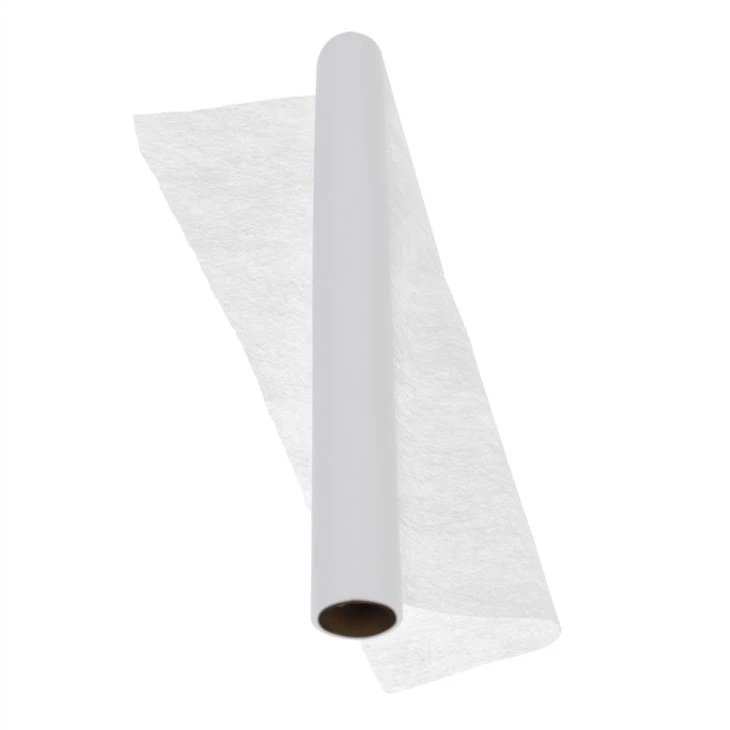
![Hot Melt Mesh Film For Hand DIY Craft]() Hot Melt Mesh Film For Hand DIY CraftIron On Hemming Web Tape Sewing Fabric Fusing Tape Adhesive Tape for Hand DIY Craftread more
Hot Melt Mesh Film For Hand DIY CraftIron On Hemming Web Tape Sewing Fabric Fusing Tape Adhesive Tape for Hand DIY Craftread more
1 Rolll 40cm/300cm


Sealant is a substance used to block the passage of fluids through openings in materials, a type of mechanical seal. In building construction sealant is sometimes synonymous with caulk (especially if acrylic latex or polyurethane based) and also serve the purposes of blocking dust, sound and heat transmission.
Advantages of Adhesive
High Versatility
Many manufacturers prefer adhesives over other fastening techniques due to their versatility. Adhesives can be used to bond various substrates, including glass, concrete, metal, plastic and ceramic. Various adhesives are available that can cater to different industries and applications. These adhesives include cyanoacrylate, acrylic, polyurethane, silicone, and epoxies. These adhesives offer unique advantages like resistance to heat, electricity, and chemicals, thermal and electrical conductivity, and other mechanical properties.
Makes Product More Resilient
Manufacturers prefer to use adhesives over other bonding methods due to the flexibility and durability adhesives offer. It is very difficult to remove industry-grade adhesives once they have cured and settled. Adhesives can be tailored to have unique mechanical properties and chemical resistances, making them resistant to extreme conditions.
Superior Bonding Performance
Adhesives offer strong adhesion to a wide variety of substrates and do a better job of supporting and holding the parts together than other bonding means. Different types of adhesives offer different bonding strengths and might even have unique resistances. It is essential to choose the right adhesive to obtain the best bonding performance for your products.
Improves Efficiency
Adhesives can cut down on the time taken to assemble the parts and the preparation time required for traditional methods. Adhesive technology advancements have made it possible to cure and set adhesives within seconds, reducing the overall manufacturing time. This makes the line assembly workers more efficient, increasing productivity and profits.
Cost-Effective
Adhesive cost-effectiveness in manufacturing can be achieved by reducing the operation time required for manufacturing on a large scale and improving productivity. Higher efficiency can be leveraged to minimise the cost of manufacturing. Adhesives are also very durable and can withstand wear and tear for a long period of time, being cost-efficient in the long run. Additionally, adhesives are easier to join and can be adjusted before they cure, reducing the need to redo the task to correct mistakes.
Improved Aesthetics
Adhesives not only improve the bonding strength and durability of the material but also its aesthetics. Using adhesives instead of rigid screws, rivets, and welding offers more flexibility without compromising functionality. Also, unlike the screws and rivets, adhesives do not need any holes drilled into the substrate surface to fit in. The screws and rivets can stick out, and welding leaves marks on the metal surface, making the end product look uneven.
Safety And Strength
Adhesives are lightweight and offer higher strength and stability in comparison to other methods. Adhesives provide support to the entire structure with strong adhesion to the substrates, which are very difficult to break. Adhesives with strong mechanical properties and resistance to the effects of the environment provide unmatched safety to the end user of the product.
Types of Adhesive
Reactive adhesives
A reactive adhesive works by chemical bonding with the surface material. It is applied as a thin film. Reactive adhesives include two-part epoxy, peroxide, silane, isocyanate, or metallic cross-linking agents. They are less effective when there is a secondary goal of filling gaps between surfaces.
Pressure-sensitive adhesives
Pressure sensitive adhesives (PSAs) form a bond by the application of light pressure to bind the adhesive to the adherend (substrate for attachment). They are designed with a balance between flow and resistance to flow. The bond forms because the adhesive is soft enough to flow and "wet" the adherend. The bond has strength because the adhesive is hard enough to resist flow when stress is applied to the bond.
Drying adhesives
These adhesives are a mixture of ingredients (typically polymers) dissolved in a solvent. Glues such as white glue, and rubber cements are members of the drying adhesive family. As the solvent evaporates, the adhesive hardens. Depending on the chemical composition of the adhesive, it will adhere to different materials to a greater or lesser extent. These adhesives are typically weak and are used for household applications. Those intended for use by small children are made nontoxic.
Contact adhesives
A contact adhesive is one that must be applied to both surfaces and allowed some time—sometimes as much as 24 hours—to dry before the two surfaces are pushed together. Once the surfaces are brought together, the bond forms very quickly, and it is usually not necessary to apply pressure for a long time. In other words, there is often no need to use clamps, which is convenient.
Hot (thermoplastic) adhesives
Also known as "hot melt" adhesives, these thermoplastics are applied hot and simply allowed to harden as they cool. They have become popular for crafts because of their ease of use and the wide range of common materials to which they can adhere. A glue gun is one method of applying a hot adhesive. The solid adhesive melts in the body of the gun, and the liquefied material passes through the barrel of the gun onto the material where it solidifies.
Application of Adhesive
Bonding:
Bonding is a process in which two surfaces are practically joined together with the help of a suitable adhesive, such as epoxy adhesives. Adhesives are used for bonding materials in various industries, such as electronics, medical, food, optical, chemical and oil and gas industries to bond a range of metals, ceramics, glass, plastics, rubbers and composites.
Sealing:
Unlike bonding which sees two surfaces fused together, sealants are ideal for closing gaps and cavities to block fluids, dust, and dirt from either entering or getting out. Sealants are widely used in aerospace, oil and gas, chemical, electronic, optical, automotive and specialty OEM industries.
Coating:
Coatings are predominantly used in aerospace, electronic conformal coating, along with some other uses in OEM and oil & chemical industries. Industrial adhesive coatings can provide superior protection against chemicals, dust and moisture, reduce friction, improve abrasion resistance and provide EMI/RFI shielding.
Potting:
Potting is an encapsulation method used in the electronics industry to cover small or large electrical components placed inside a housing with a suitable potting material that can withstand high temperatures, protect the circuits from moisture, dirt, dust and other harsh conditions. Potting and encapsulation are used for electronic and microelectronic components, such as sensors, motors, coils, transformers, capacitors, switches, connectors, power supplies, and cable harnesses.
Impregnation:
Impregnation is a method used to wet various fibres, such as glass, carbon, kevlar, aramid among others. Once the fibres are completely saturated with the resin, the resin is allowed to fully cure in place forming a composite substrate. Such impregnated composite surfaces are widely used in the aerospace, windmill and electronics and electrical industries.
The working of adhesive depends on the types of bonding process used to attach the surfaces to each other. Mechanical adhesion and chemical adhesion are two types of bondings that can be used to stick one surface to another with adhesives.
Usually, surfaces that need to be attached with the help of adhesives, have a lot of micropores. These pores when filled with adhesives act as grips to keep another surface attached to them. This is called mechanical adhesion. With mechanical adhesion, the adhesives are in liquid form. The liquid adhesives will gradually penetrate the pores during the drying and curing process. You should also keep in mind that mechanical bonding is dependent on the surface roughness and surface energy of the substrates to be bonded. The higher the surface energy and roughness of a substance, the stronger is the bond.
On the other hand, chemical bonding is completely different which sees the surface of a material completely bond with another material on a molecular level. It is a complex process but very effective at the same time. Chemical bonding is further categorised into two types; adsorption and chemisorption depending on the type of bond between the adhesive’s molecules and the surface. Although chemical adhesives are easily available, they are not a common form of adhesive used in Industries.
How to Choose the Right Adhesive for Your Application
Determine the material(s) you are bonding
Before you do anything else, you need to know what you are bonding. At this point, you need to establish whether the adhesive will stick to all the surfaces in the joint. Most adhesives will bond to dissimilar materials. In fact, that’s what makes adhesives such a popular option over other joining methods.
Find out how much time you have
After you have ensured the adhesive will actually stick the material(s) in the joint, you need to find out how much time you have. This may seem pointless, but it isn’t. Establishing the amount of time you have will play a major factor in which adhesive you choose.
Define the characteristics you want from the adhesive
Most people automatically assume strength is the most important thing about an adhesive. However, you will not always need a very high strength adhesive. Ultimately, strength is still one of the most important factors to consider. Epoxies and methyl methacrylate adhesives can achieve the highest strengths.
Determine how much you want to spend
Controversially, we put the cost as the last thing to consider before choosing an adhesive. This is mostly because there are so many things you need to consider when analysing the cost of the adhesive.
Top 4 Common Adhesive Problems You Should Know

Using Too Little Adhesive
If your packages are accidentally opening during the assembly, storage, or distribution process, it's likely a sign that you're using too little adhesive. While you may be trying to use less adhesive as a way to help lower your overall packaging cost, you're being foolish. The time and effort it takes to go back and re-apply adhesive to open cases — not to mention the costs of products that are lost or damaged because of packaging falling apart – outweigh any potential savings. Make sure you're using enough adhesive to form a secure bond.
Using Too Much Adhesive
The flipside of the problem mentioned above brings its own problems. Not only is it wasteful and expensive, it may also lead to additional packaging issues, such as a longer set time or stringing that mars the package's exterior. When it comes to adhesives, more isn't necessarily better. Work with your adhesive supplier to determine just how much adhesive you need for your application.
Not Considering Temperature Extremes
It's important that you keep temperature and humidity/moisture levels in mind when selecting the right adhesive for your packaging needs so that you don't end up with issues. Remember to consider not only the temperature of your product when it is placed in the packaging, but also the temperatures your product will be exposed to during the production, storage, and distribution process.
Using the Wrong Glue Pattern
The glue pattern you select — along with the pattern's length, width, compression requirements, type of glue, and even age/maintenance level of your equipment — all have an impact in determining the right amount of adhesive to use. Also, if you use the wrong glue pattern you could be wasting money creating less-than-ideal package bonds.
How Do I Determine the Bonding Strength of Different Adhesives?
Different types of adhesives have varying bonding strengths depending on their chemical composition and properties. For example, cyanoacrylate (super glue) adhesives provide high-strength bonds for materials like plastics and metals, while epoxy adhesives offer strong, durable bonds for a wide range of substrates.
The bonding strength of an adhesive can be influenced by the compatibility between the adhesive and the materials being bonded. Some adhesives may bond well to certain materials but perform poorly on others. It's essential to select an adhesive that is compatible with the specific materials you're working with.
Proper surface preparation is critical for achieving optimal bonding strength. Surfaces should be clean, dry, and free of contaminants such as oil, grease, dust, and rust. Roughening or etching the surfaces can also improve adhesive adhesion by increasing the surface area for bonding.
Following the manufacturer's recommended application method is essential for achieving the desired bonding strength. Adhesives should be applied evenly and at the appropriate thickness to ensure proper contact between the adhesive and the substrate.
Adhesives typically require a certain amount of time to cure and develop their full bonding strength. Factors such as temperature, humidity, and curing conditions can affect the curing process and the final bonding strength of the adhesive.
Silicone sealants formulated for high-temperature applications can withstand temperatures ranging from -40°F to over 500°F (-40°C to 260°C), making them ideal for sealing gaps and joints around heating appliances, such as stoves, furnaces, chimneys, and HVAC systems. These sealants create a durable, heat-resistant barrier that helps prevent air and moisture infiltration while accommodating thermal expansion and contraction.
When sealing gaps around heating appliances, it's essential to choose a high-temperature sealant specifically designed for the intended temperature range of the appliance. Ensure the surface is clean and dry before applying the sealant, and follow the manufacturer's instructions for proper application and curing.
Additionally, consider using fire-rated or fire-resistant sealants for applications near open flames or in areas where fire safety is a concern. These sealants are formulated to resist ignition and inhibit the spread of flames and smoke in the event of a fire, providing added protection and peace of mind.
By selecting the appropriate sealant for sealing gaps around heating appliances and ensuring proper installation, you can improve energy efficiency, prevent heat loss, and maintain a safe and comfortable indoor environment.
How Do I Avoid Compatibility Issues Between Sealants and Surfaces?
Surface Preparation
Proper surface preparation is essential for ensuring good adhesion between the sealant and the substrate. Clean the surfaces thoroughly to remove any dirt, dust, grease, or contaminants that may interfere with adhesion. Use a solvent or degreaser as needed, and roughen smooth surfaces with sandpaper or a wire brush to improve adhesion.
Compatibility Testing
Before applying the sealant to the entire surface, conduct a compatibility test on a small, inconspicuous area to ensure it adheres well and does not cause any damage or discoloration. Allow the sealant to cure fully and test its adhesion and compatibility with the substrate under typical conditions.
Select the Right Sealant
Choose a sealant that is specifically formulated for the type of surface you're working with. Read the manufacturer's instructions and product specifications carefully to ensure the sealant is suitable for the intended application and compatible with the substrate material.
Consider Environmental Factors
Take into account environmental factors such as temperature, humidity, and exposure to UV radiation or chemicals, which can affect the performance and compatibility of the sealant. Choose a sealant that is designed to withstand the specific environmental conditions of your project site.
Are There Safety Precautions I Should Take When Working with Certain Adhesives or Sealants?
Read the Manufacturer's Instructions
Always read and follow the manufacturer's instructions and safety recommendations provided on the product label or packaging. Pay attention to any specific safety precautions, handling instructions, or personal protective equipment (PPE) recommendations.
Clean Spills Promptly
Clean up any spills or drips of adhesive or sealant immediately using a solvent or cleaner recommended by the manufacturer. Use absorbent materials such as paper towels or rags to blot up excess adhesive or sealant, then wipe the area with a clean cloth dampened with solvent.
Wear Appropriate PPE
Depending on the type of adhesive or sealant you're using, wear appropriate personal protective equipment (PPE) such as safety glasses, gloves, and a respirator or mask to protect against inhalation of fumes and skin contact.
Avoid Skin Contact
Try to avoid direct skin contact with adhesives or sealants as much as possible. Wear gloves to protect your hands and avoid touching your face or other sensitive areas while working with these materials.
Use In A Well-Ventilated Area
Work in a well-ventilated area to minimize exposure to fumes and vapors. Open windows and doors or use fans and exhaust ventilation to improve air circulation and remove airborne contaminants.
Dispose of Waste Properly
Dispose of unused adhesive or sealant according to local regulations and manufacturer's recommendations. Do not pour excess material down drains or sewers, as it may contaminate water sources or cause environmental damage.
How Can I Prevent Mold Growth in Areas Where Sealants Are Applied?
Proper Surface Preparation
Ensure that the surfaces to be sealed are clean, dry, and free of mold and mildew before applying the sealant. Remove any existing mold or mildew using a bleach solution or commercial mold remover and allow the surface to dry completely before sealing.
Use Proper Ventilation
Adequate ventilation is essential for preventing mold growth in damp or humid areas. Install exhaust fans in bathrooms and kitchens to remove excess moisture from the air and ensure that ventilation ducts are clean and unobstructed.
Seal Gaps and Cracks
Use mold-resistant sealants to seal gaps and cracks in walls, floors, and fixtures to prevent moisture infiltration and mold growth. Pay special attention to areas around sinks, tubs, showers, and windows where water can accumulate.
Maintain Cleanliness
Regular cleaning and maintenance can help prevent mold growth in sealed areas. Clean bathroom and kitchen surfaces regularly with a mild detergent or vinegar solution to remove dirt, soap scum, and other organic matter that can promote mold growth.
Monitor Humidity Levels
Use a hygrometer to monitor humidity levels in your home and take steps to reduce humidity if it consistently exceeds 60%. Use dehumidifiers or air conditioners to control indoor humidity levels and keep them within the recommended range.
Our Factory
Zhonghao Adhesive Products Co., Ltd manufactures a wide range of butyl rubber tape for home and commercial construction. With nearly 10 years of field experience, Zhonghao products are engineered for superior performance and ease of installation.
FAQ
As one of the most professional adhesive&sealants manufacturers and suppliers in China, we're featured by cheap products and good service. Please rest assured to buy customized adhesive&sealants at competitive price from our factory.