



Butyl Tape
Why Choose Us?
Rich Experience
With nearly 10 years of field experience, Zhonghao products are engineered for superior performance and ease of installation.
Professional Technical Team
We have more than 10 years of experience professional technique talents, provide pertinence solutions according to client's different kinds of requirements, and strictly with each producing process.
Professional Service
Free samples and typesetting adjustment for tapes, 3 days for customized samples, and 7 days for production order. And we provide full-time service when you have a problem during using of the tapes.
Widely Popular
Due to our economic solution and reliable quality performance, our tapes are popular all over the world, especially in South and East Asia, Europe, and America.
What is Butyl Tape?
Butyl tape is a synthetic rubber adhesive manufactured to upgrade natural rubber adhesives. Compared with its natural counterpart, butyl tape is less sensitive to varying temperatures and maintains its stickiness at lower temperatures than traditional rubber adhesives.
-
![Rubber Waterproof Tape]() Rubber Waterproof TapeRubber waterproof repair tape is made of natural rubber with very good adhesion and flexibility, and has excellent waterproof effect, can be well adhered to the surface of various materials.read more
Rubber Waterproof TapeRubber waterproof repair tape is made of natural rubber with very good adhesion and flexibility, and has excellent waterproof effect, can be well adhered to the surface of various materials.read more -
![Custom Caulk Strip Tape For Sinks]() Custom Caulk Strip Tape For SinksKitchen Bathroom Sealing Tape also called Anti-Mildew Tape is a specialized adhesive tape designed to prevent the growth of mold and mildew. It features a unique formulation that inhibits mold...read more
Custom Caulk Strip Tape For SinksKitchen Bathroom Sealing Tape also called Anti-Mildew Tape is a specialized adhesive tape designed to prevent the growth of mold and mildew. It features a unique formulation that inhibits mold...read more -
![Nonwoven Butyl Tape Manufacturer]() Nonwoven Butyl Tape ManufacturerNonwoven Butyl Tape is a single-sided tape formed by using weatherproof nonwoven fabric as the base material, coated with butyl adhesive with excellent waterproofing performance and compounded...read more
Nonwoven Butyl Tape ManufacturerNonwoven Butyl Tape is a single-sided tape formed by using weatherproof nonwoven fabric as the base material, coated with butyl adhesive with excellent waterproofing performance and compounded...read more -
![Rubber Waterproof Repair Tape]() Rubber Waterproof Repair TapePRODUCT DESCRIPTION Rubber waterproof repair tape is a specialized adhesive tape designed to seal, bond, and repair a wide range of surfaces and materials. What makes this tape unique is its...read more
Rubber Waterproof Repair TapePRODUCT DESCRIPTION Rubber waterproof repair tape is a specialized adhesive tape designed to seal, bond, and repair a wide range of surfaces and materials. What makes this tape unique is its...read more -
![Sunroom Roof Waterproofing Tape]() Sunroom Roof Waterproofing TapeSunrooms are the perfect sanctuary to bask in natural light and enjoy the outdoors while remaining comfortably indoors. However, these beautiful spaces can be vulnerable to leaks, which can...read more
Sunroom Roof Waterproofing TapeSunrooms are the perfect sanctuary to bask in natural light and enjoy the outdoors while remaining comfortably indoors. However, these beautiful spaces can be vulnerable to leaks, which can...read more -
![RV Repair Butyl Tape Wholesale Manufacturer]() RV Repair Butyl Tape Wholesale ManufacturerOur RV repair tape is the preferred solution for B-side traders and dealers looking to provide their customers with a top-notch RV repair product. This high-performance tape is specifically...read more
RV Repair Butyl Tape Wholesale ManufacturerOur RV repair tape is the preferred solution for B-side traders and dealers looking to provide their customers with a top-notch RV repair product. This high-performance tape is specifically...read more -
![RV Repair Butyl Tape]() RV Repair Butyl TapeOur RV repair tape is the preferred solution for B-side traders and dealers looking to provide their customers with a top-notch RV repair product. This high-performance tape is specifically...read more
RV Repair Butyl TapeOur RV repair tape is the preferred solution for B-side traders and dealers looking to provide their customers with a top-notch RV repair product. This high-performance tape is specifically...read more -
![Butyl Sealant Tape Manufacturer]() Butyl Sealant Tape ManufacturerWith good adhesion to a wide range of substrates and good UV resistance, double-sided butyl tapes are widely used in construction, automotive, and other industries for their excellent sealing and...read more
Butyl Sealant Tape ManufacturerWith good adhesion to a wide range of substrates and good UV resistance, double-sided butyl tapes are widely used in construction, automotive, and other industries for their excellent sealing and...read more -
![Waterproof Seal Flashing Butyl Tape]() Waterproof Seal Flashing Butyl TapeHigh-density waterproofing Window Guard Board Zip Waterproof Seal Flashing Deck Joist Butyl Tape For Deckingread more
Waterproof Seal Flashing Butyl TapeHigh-density waterproofing Window Guard Board Zip Waterproof Seal Flashing Deck Joist Butyl Tape For Deckingread more -
![Deck Joist Tape For Decking Beams]()
-
![Butyl Protective Deck Butyl Joist Tape]() Butyl Protective Deck Butyl Joist TapeSelf Adhesive Waterproof Beams Board Flashing Butyl Protective Deck Butyl Joist Taperead more
Butyl Protective Deck Butyl Joist TapeSelf Adhesive Waterproof Beams Board Flashing Butyl Protective Deck Butyl Joist Taperead more -
![Waterproof Joist Tape]() Waterproof Joist Tape* Slip resistant surface film * No primer needed * Simple peel and stick application can be installed down to -20°F (-28°C) and high temps * All weather durability * Black facer film blends...read more
Waterproof Joist Tape* Slip resistant surface film * No primer needed * Simple peel and stick application can be installed down to -20°F (-28°C) and high temps * All weather durability * Black facer film blends...read more


Butyl Tape
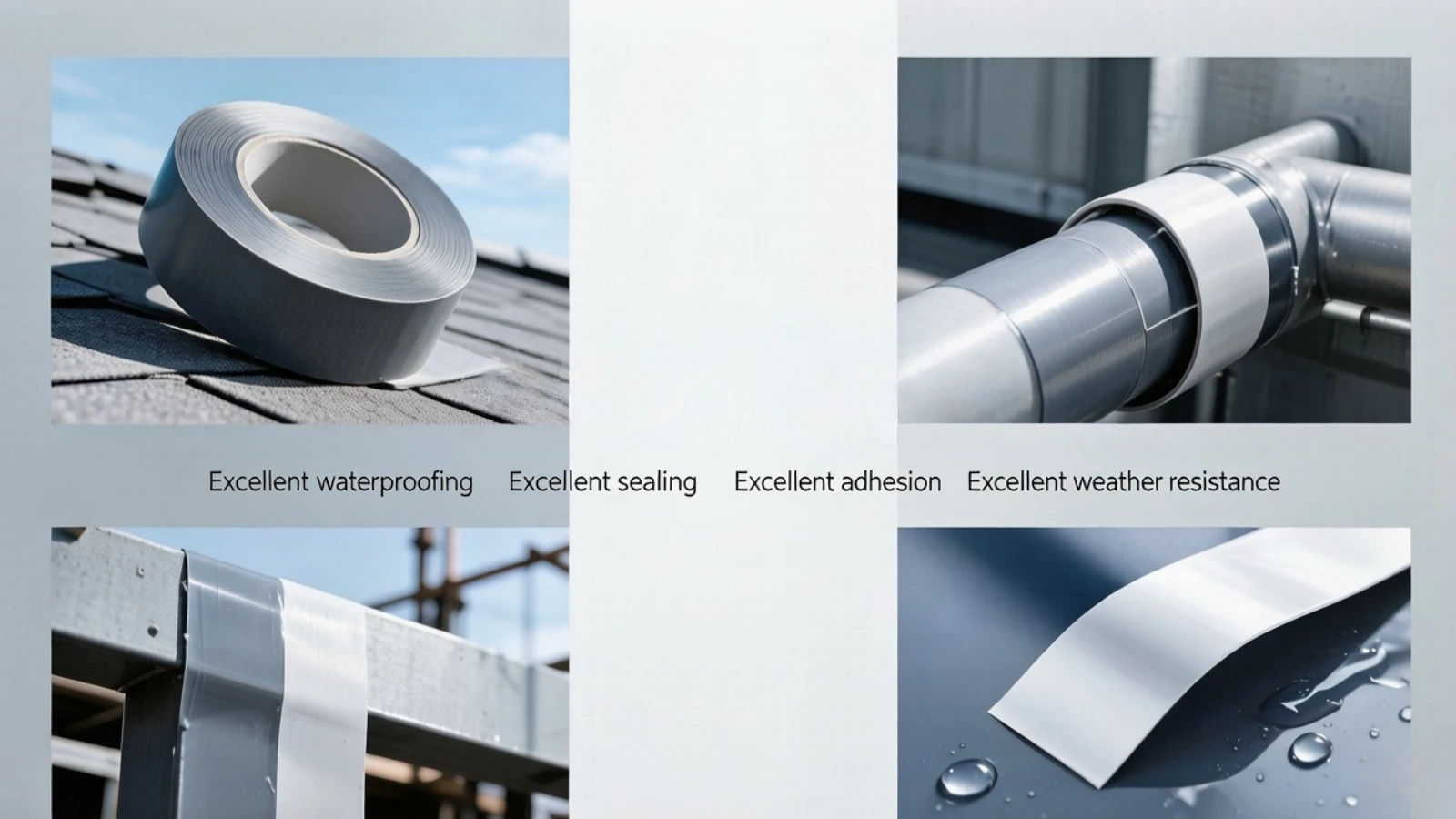
Butyl tape offers excellent waterproofing, sealing, adhesion and weather resistance. It can be used for roof repair, pipe sealing, RV maintenance, metal joining, gap filling and outdoor construction. It is stable, non-cracking, easy to apply and provides long-lasting protection.
Your Professional Butyl Tape Customization Partner
If you are looking for a professional butyl tape factory in China, we are your best choice. We have a complete production line, R&D system and sales team to support your business. We can customize width, thickness, length, color, material formula and packaging. We can respond to your requirements within 2 hours.
We have professional engineers who can provide free samples and customized solutions based on your project. We have a large production workshop and strict quality control. Welcome to visit our factory.
Our Designed Butyl Tape Products

Aluminum Foil Butyl Waterproof Tape
Base Material: Aluminum foil + butyl rubber
Thickness: 1.0mm – 3.0mm
Features: UV resistant, heat reflective, anti-aging
Application: Metal roof, color steel tile, roof leakage repair

Single-Sided Butyl Seal Tape
Base Material: Butyl rubber adhesive
Thickness: 0.8mm – 2.5mm
Features: High initial tack, permanent waterproof
Application: Wall cracks, window frames, gutter sealing

Double-Sided Butyl Tape
Base Material: Double-side butyl adhesive
Thickness: 1.0mm – 2.0mm
Features: Strong bonding, no residue
Application: Panel fixing, joint sealing, insulation bonding

RV & Marine Butyl Tape
Base Material: Salt-resistant butyl formula
Features: Waterproof, anti-corrosion, weatherproof
Application: RV roof, yacht sealing, window installation
Why Our Butyl Tape
Strong Adhesion
Bonds firmly to metal, concrete, glass, plastic, wood and tile without falling off or cracking.
Permanent Waterproof
No shrinkage, no leakage, long service life, stable performance in wet environments.
Weather Resistance
UV-resistant, high & low temperature resistant, anti-aging, suitable for long-term outdoor use.
Easy Installation
Peel-and-stick design, no tools needed, can be applied on slightly wet surfaces.
Eco-Friendly
Non-toxic, odorless, no harmful substances, safe for indoor & outdoor projects.
Customizable
Support custom width, thickness, length, color, logo and packaging.

Butyl Tape Manufacturer in China
As a professional butyl tape manufacturer, we focus on R&D, production and sales of high-performance butyl sealing products. Our products are widely used in construction, marine, RV, HVAC, automotive and home repair industries.
Safety & stability: No cracking, no peeling, long durability
Wide application: Suitable for almost all sealing and waterproof scenarios
Cost-effective: Factory direct price, stable quality, low after-sales rate
High compatibility: Works on most building and industrial surfaces
Our butyl tape is made of high-grade raw materials and produced through automated production lines. All products pass strict testing and have RoHS and other international certifications.
Custom Butyl Tape Service
We support full customization for butyl tape:
Custom size: width, thickness, length
Custom color: black, white, gray, silver, etc.
Custom formula: high-temperature, low-temperature, salt-resistant
Custom packaging: color box, blister, roll label
Add your logo, brand name and company information
We can provide one-stop solution from design to production and delivery.

Advantages of Butyl Tape
Professional Finish
By the end of your DIY project, you will be amazed by how neat, and mess-free everything is after using butyl tape. It is guaranteed to be watertight. Your DIY project will surely be leak-free against water, vapor, or any other corrosive chemicals.
Resistance to Chemical and Physical Degradation
Butyl tape features properties that make it anti-corrosive and temperature resistant. You can store it over a long period of time at any room temperature without worrying that its quality will deteriorate.
Built to Last for a Long Time
Most butyl tapes, if not all, undergo the high-temperature butyl tape tempering process. This is important to ensure that the tape can withstand various conditions. These include cold winter drafts, heavy rainfall, sunlight, ultraviolet light, and extreme weather conditions.
Versatile
Butyl tape is the tape of choice among boaters. But, of course, its uses are not limited to boating applications. Aside from boat surfaces, it is also ideal for automobile, home, and RV surfaces, among many others.
Types of Butyl Tape
Butyl rubber sealant tape is formulated and manufactured to allow the average participant to repair their RV and car roofs and make it appear as if the completed job was done by a professional contractor or repair team. It will not melt unnecessarily in extreme temperatures. Butyl sealant bonds to most materials, forming an impervious adhesive.
Double-sided Butyl Tape
With good adhesion to a wide range of substrates and good UV resistance, double-sided butyl tapes are widely used in construction, automotive and other industries for their excellent sealing and bonding properties.
Butyl RV Tape
RV Repair Tape, the ultimate solution for all your RV repair needs. This high quality tape is specifically designed for quick and easy repairs, ensuring a hassle-free experience on the road. Whether you are dealing with a small crack, a leak, or any other damage, this tape will provide a reliable and long-lasting repair.
Nonwoven Butyl Tape
Nonwoven Butyl Tape is a single sided tape made of weather resistant PP nonwoven fabric, coated with butyl adhesive with excellent waterproofing properties, and compounded with release paper, which has good stretchability and can fit various uneven surfaces very well.
Application of Butyl Tape
Butyl tape uses for glass
The use of butyl tapes for glass is from the fact that the tape is very effective in adhering to flat and ribbed surfaces as well as on slick panes. The best type of butyl tape for glass projects, however, is the double-sided one, rather than the normal ones used for glazing.
Application of butyl tape for roofing
Butyl tape was created for use in the roofing industry. They are very effective in protecting the roofs from outdoor elements, and they also do a good job when it is time for repairs. For a long time, they have been the preferred solution for sealing seams and binding cracks and holes of small diameters that appear on roofs.
Ductwork application of butyl tape
Butyl tape also has a wide range of applications in the installation and repair of vents and ducts. Their major common use in this industry is concealing protruding metal ductwork that originates from inside a building. Such protrusions may normally lead to accidents if they are not well concealed.
Plumbing applications of butyl tape
If you know a thing or two about plumbing, then you know how handy it is for you to have a tape on standby to take care of those emergency leaks. However, not all tapes will be ideal for use on your pipes, and butyl tape is one of the best types you can rely on. In plumbing, the tapes are mainly used as temporary fixes to stop minor leaks. All you have to do is wrap an appropriate amount of tape around a leak while you assess the situation and decide whether or not to seek the services of a plumber.
Car part repair applications of butyl tape
Another name for butyl tape is dum-dum tape, and this is because it sometimes behaves like putty. Due to this property, it is a favorite method for mechanics and motorists for holding fuel lines up and sometimes away from the engine depending on the kind of repairs or maintenance being conducted. Still, in the automotive industry, the tapes are very effective in forming seals around frames of sunroofs.
Heating and Ventilation
In addition to being immensely useful in the repair and installation of ductwork, butyl tape is also very useful in helping to improve the energy efficiency of the home. Because the duct is easy to use and doesn’t feature any solvents, its use is very common in sealing flanges on the various components of the heating and ventilation systems. Additionally, they not only prevent the loss of heat from the system but also stops any gain of heat through the pipes or insulations.
Applications in greenhouse manufacturing
The greenhouse environment demands that heat gain and heat loss be maintained so that ambient temperatures can be provided for the plants being grown. In as much as there are several ways through which heat can be lost from these structures, butyl tapes are very effective in sealing the framework and the glazing. This is one of the areas where most heat is normally lost from the greenhouses.

The origins of butyl tape date back to the mid-20th century, when it was first developed for aerospace and automotive applications. Butyl tape’s excellent adhesion, flexibility and weatherability quickly made it the preferred choice for a wide range of industries. Over the years, butyl tapes have evolved and improved, culminating in the modern butyl tapes we know today.
How to Install Butyl Tape
Chill the Butyl Tape
You can use butyl tape anytime you want to. But if you want it to become more manageable, I recommend you to leave it inside the refrigerator for approximately 3 hours. It will amazingly make it more convenient to apply it. The process of chilling it, however, is only optional. Again, you can use it even if it is not chilled. It's just that doing so will make it more manageable and conformable.
Ensure the Cleanliness of the Surface
The surface where you will apply the butyl tape must be free of dust, clean, and dry. So, even if it already looks clean initially, it is still best to double-check it. Dust the area thoroughly with a clean cloth. If possible, use alcohol to ensure that you get to wipe off the dirt. Also, let it dry completely before you start putting a strip of butyl tape on it.
Peel a Strip from the Butyl Tape Roll
It is easy to peel and tear a strip of butyl tape from the roll. So, you are not expected to encounter any problem doing this. You have to make sure, though, not to touch the adhesive too much. Foreign materials and even the oils from our hands might stick on it. These can contaminate the adhesive and decrease its bonding strength.
Conform the Tape with the Texture of the Surface
Make sure that the tape conforms with the texture of the surface. Conforming it will eliminate gaps between the surface and the tape. Do this by carefully molding and pressing the tape against the surface. Not all surfaces are flawlessly smooth and flat. You will notice several curves, bumps, and even empty areas. These, and all other possible holes, must be covered efficiently and effectively.
Make the Butyl Patch Thick and Strong
For sure, you would want to make a strong butyl patch. Besides, that is the very reason you are using this adhesive. Butyl tape, as we all know, is guaranteed to be strong and durable. But to ensure that you are making a solid butyl patch, you can roll many layers to make the patch thick. This is expected to make it stronger and more stable. Also, it will increase its air- and water-tight properties. Make sure to apply pressure on all areas when installing it. That way, you will be able to eliminate air bubbles.
Trim the Adhesive
Once installed, trim the adhesive out of the unnecessary areas. You may use a plastic knife or a plastic card to do this. If adhesive is present in areas where it is not required, it might attract dirt or other unnecessary materials. These might cause damage and inconvenience in the long run.
Smooth Out the Butyl Rubber
You have to ensure that the butyl tape you installed doesn't look untidy. Of course, you want it to appear as if it was installed by a professional. This may be done by wetting your fingers with soapy water. Then, rub your fingers on the surface of the tape. This is expected to smoothen the butyl rubber. It will effectively minimize or eliminate bumps or lumps.
Allow the Butyl Tape to Set
After installing the butyl tape, let it sit for about 3 to 4 hours. But if it is possible to cure, dry, and acclimatize it for 24 hours, please do so before exposing it to harsh conditions.
Over time, exposure to water through weathering is a threat to any deck, even those made with treated timber. That's why it's crucial to protect your deck's timber from the earliest stage at construction with a waterproof seal. Decks often experience erosion due to water damage within the first 8 to 10 years after construction. Still, by being proactive during the early phases to keep moisture out using a strong adhesive waterproof tape seal like butyl tape, you can keep your deck sturdy for years beyond that. Butyl tape is resistant to water and extreme temperature conditions, vapour, and corrosion. As a flexible sealant tape, it bonds well to seal those small holes in your deck that is prone to timber rot: screw holes, the tops of the deck joists, rim joists, bearers, and the ledger board. To ensure your deck stays leakproof and stable for years to come, it's important to choose a high-quality sealing tape.

When it comes to finding the right tape for at-home repairs, butyl tapes and silicone tapes are two of the most widely used adhesives that come to mind. But the question all boils down to which is better for the job and which of the two can do it more effectively in the long run.
Silicone Tapes, while readily available and much cheaper than butyl tapes, can pose some disadvantages especially if you're looking for long-term projects or fixes.
Some silicone tapes can be challenging to remove because of their self-fusing bond. This, in turn, can cause unwanted mess which can be a hassle to those who are looking for a mess-free application solution. They also tend to dry out much quicker than butyl tapes, which can definitely result in lessening their bonding strength over time.
Butyl Tapes, on the other hand, can prove to be a better option because of their flexibility, longevity, and durability. They bond instantly with surfaces compared to silicone tapes, which can take some time to cure.
If you're deciding whether to use butyl tape or silicone tape, especially for outdoor applications, then butyl tape is a much better option because it can withstand extreme temperatures and even varying weather conditions.
Precautions to Take When Removing Butyl Tape
When removing butyl tape, it is important to take certain precautions to avoid any damage to the surface or the surrounding area. Here are a few tips to keep in mind:
Start by gently peeling off the tape from one corner. Applying too much force can cause the tape to tear or leave behind residue.
If the tape is not coming off easily, apply heat or use a solvent as mentioned earlier.
Use a plastic scraper or a plastic putty knife to avoid scratching or damaging the surface.
Clean the surface thoroughly after removing the tape to remove any adhesive residue.
What's Different Between Butyl Tape and Aluminum Foil Tape?
Temperature Resistance
Butyl tape has good temperature resistance and can withstand a wide range of temperatures. It remains flexible even in extreme cold conditions. Aluminum foil tape, on the other hand, has excellent heat resistance and can withstand high temperatures.
Applications
Butyl tape is commonly used for sealing roofs, windows, doors, and other construction joints. It is also used in automotive and marine applications. Aluminum foil tape is primarily used in HVAC systems, air duct sealing, insulation, and heat reflection applications.
Composition
The primary difference between butyl tape and aluminum foil tape lies in their composition. Butyl tape is made from synthetic rubber, while aluminum foil tape is made from aluminum foil coated with adhesive.
Sealing Properties
Butyl tape is known for its excellent sealing properties. It forms a watertight and airtight seal, making it ideal for applications where moisture or air leakage is a concern. On the other hand, aluminum foil tape provides a strong bond and is more suitable for applications where heat resistance and insulation are required.
Flexibility
Butyl tape is highly flexible and can conform to irregular surfaces, making it suitable for sealing joints and gaps. Aluminum foil tape, although less flexible, offers better rigidity and strength.

Butyl Tape removal is a process that might take some time and patience. Here are some tips on how to ensure success in removing this tape on a surface:
● Take a putty knife and carefully scrape one edge of the tape to fit the putty knife underneath.
● Next, you'll need a washcloth. Dip it in hot, soapy water for a few minutes.
● You'll want to remove the washcloth after some time, but wring it out only slightly so as not to dry out the soap-water mixture.
● Apply the cloth to the section/s that you want to remove.
● Let the cloth sit for a while for at least 15-30 minutes to loosen the adhesive.
Properties of Butyl Tapes
Butyl tapes exhibit several properties that make them the preferred choice for sealing and bonding applications:
Tackiness: Butyl tapes have excellent tackiness, allowing them to adhere tightly to a variety of surfaces and create an effective seal.
Flexibility: The tape is highly flexible and can adapt to irregular shapes and surfaces, ensuring a safe and reliable seal even under challenging conditions.
Weather Resistance: Butyl tapes are resistant to extreme temperatures, UV radiation, moisture and other environmental factors, making them suitable for both indoor and outdoor applications.
Waterproofing: Because of its waterproofing properties, butyl tapes are often used to prevent water ingress in critical applications such as roofing, duct and window installations.
Vibration Damping: Butyl tapes absorb vibration and reduce noise transmission, making them useful in automotive and mechanical applications.
How to Prevent Butyl Tape from Hardening?
Ensure that the tape is applied correctly, following the manufacturer's instructions. This includes cleaning and preparing the surface, applying sufficient pressure for proper adhesion, and ensuring airtight sealing.
Protect the tape from extreme temperature conditions, both during storage and application. Store it in a climate-controlled environment and avoid exposing it to excessive heat or cold during installation.
When using butyl tape in outdoor applications, choose UV-resistant versions specifically designed to withstand prolonged exposure to sunlight.
Select the appropriate type of butyl tape that is resistant to the chemicals present in the intended environment. Consult the manufacturer's guidelines or seek professional advice for applications involving chemicals.
Our Factory
Zhonghao Adhesive Products Co., Ltd manufactures a wide range of butyl rubber tape for home and commercial construction. With nearly 10 years of field experience, Zhonghao products are engineered for superior performance and ease of installation.
Ultimate FAQ Guide to Butyl Tape
As one of the most professional butyl tape manufacturers and suppliers in China, we're featured by cheap products and good service. Please rest assured to buy customized butyl tape at competitive price from our factory.