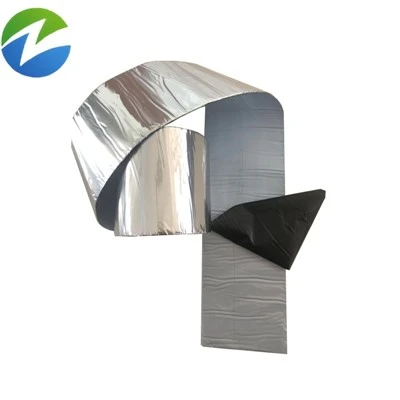
Aluminum butyl tape is a high-quality sealing material, which is widely used in construction, HVAC systems, roofing, automotive repair, waterproofing in industrial projects and more. It is a combination of the strong bonding properties of butyl rubber and the protective property of aluminum foil, which can be used for sealing for a long time in severe environment.
We will explain in this guide the structure, operation, benefits, applications, and correct installation procedure of this in an engineering style.
Aluminum Butyl Tape Definition
Aluminum butyl tape is a waterproof sealing tape that is self-adhesive and made from:
1st layer of butyl rubber adhesive
A protection cover of aluminum foil
Easy to apply release liner
This combination of butyl rubber as a permanent tacky and sealing layer and aluminum foil as a UV resistant, heat reflective and mechanical protection layer will give you the most effective layer combinations.
As opposed to curing or hardening over time, aluminum butyl tape remains soft, flexible and pressure sensitive, in order to always conform to the movement of structures and any irregularities of their surfaces.
Structure of Aluminum Butyl Tape
A common type of aluminum butyl tape used is made in three layers.
1. Aluminum Foil Layer
UV-resistant and weatherproof
Reflects heat and sunlight
Resists environmental ageing of inner adhesive
2. Butyl Rubber Adhesive Layer
Seals and protects against water and air
Remains permanently flexible
Gaps and irregularities of the surface are filled up with the aid of it
3. Release Film
Does not stick prior to installation
Maintains good handling and application conditions
This multi-layer combination is the reason why aluminum butyl tape can be used indoors and outdoors for sealing.
Key Features of Aluminum Butyl Tape
1. Excellent Waterproof Performance
The butyl rubber layer provides a tight seal, preventing the following from occurring:
Rainwater penetration
Moisture infiltration
Vapor leakage
It is frequently used on water contacts where exposure to water for an extended period of time is expected as seen in roofs, gutters and pipe joints.
2. Good Attachment to a variety of surfaces
Aluminum butyl tape will adhere to:
Metal (steel, aluminium, galvanised surfaces)
Glass
Concrete
Wood
Plastic and composite panels
It has a high conformability, making it possible to seal even slight rough or uneven surfaces.
Durable to UV and weather
The aluminum foil layer provides:
Sunlight degradation protection by UV
Resistance to oxidation
Resistance to changes in temperature
This helps to prevent cracking or aging quickly, making it ideal for outdoor use.
4. Flexible and Crack-Resistant
Butyl rubber is different to rigid sealants because it is not affected by the installation process and will still be elastic. It can:
Absorb vibration
Take account of thermal expansion and contraction
Ensure that the sealing integrity is maintained over time
5. Self-Sealing Capability
Punctured by screws or fasteners, it may still have sealing performance, it is tightly wrapped around the breakthrough point.
Main Applications of Aluminum Butyl Tape
1. Roofing and Waterproofing Systems
One of the most common applications is for building envelope sealing:
Seams in metal roofing are sealed to prevent air leakage
Roof flashing joints
Sealing gutter and down pipes
Skylight edge waterproofing
It offers rain and wind proofing protection for long-term use.
2.HVAC and Duct Sealing
Aluminum butyl tape can be used in the following parts of ventilation and air conditioning systems:
Sealing of air duct joints
Pipe insulation wrapping
Sealing leakages in HVAC enclosures
It has an airtight seal, which can aid in energy efficiency.
3. Window and Door Installation
It is a common material in the construction of building envelopes:
Waterproof sealing of frames on windows
Door perimeter sealing
Wall opening moisture barriers
This helps to minimize air leakage and insulate better.
4. Automotive and Transportation Industry
Common applications include:
Sealing the body panels of cars.
Waterproofing RV and trailers.
Damping of sound and vibration.
Windshield sealing layers
5. Industrial and Pipeline Protection.
Used to prevent and protect:
Metal pipeline joints
Weld seam protection
Anti-corrosion sealing layers
Outdoor equipment waterproofing
The correct use of Aluminium Butyl tape!
Installation is important for maximum performance.
Step 1: Surface Preparation
Make sure that the surface is:
Clean
Dry
No loose dust, oil, rust or other particles to cause issues
The adhesion performance will be greatly diminished in poor surface preparation.
Step 2: Measure and Cut
Measure off and cut tape to length, allowing for tape to overlap at joints and corners as needed.
Step 3: Apply and Press Firmly
Take the release liner away slowly
Tape on the surface
Apply pressure with a roller or hand with pressure
This step guarantees complete adhesion between butyl adhesive and substrate.
Step 4: Seal Edges
When used outdoors, make sure that edges are completely pressed to prevent water entry.
Step 5: Inspection
Check for:
Air bubbles
Loose edges
Overlap areas do not cover all of the gaps
Repress if necessary.
|
Feature |
Aluminum Butyl Tape |
Liquid Sealant |
|
Application speed |
Fast |
Slow |
|
Cleanliness |
Clean installation |
Messy |
|
Flexibility |
High |
Medium |
|
UV resistance |
High |
Varies |
|
Maintenance |
Low |
Medium |
|
Reworkability |
Moderate |
Low |
Storage and Usage Conditions
To maintain performance:
Keep in a cool dry place.
Do not use in direct sunlight prior to use
Recommended application temperature: 5℃-40℃
Ensure surface is kept clean prior to application
FAQ
Q1: What is Aluminum Butyl Tape Mainly Used For?
It is primarily employed for the waterproof sealing, air tightness and weatherproof applications in the roofing, HVAC, construction and automotive sector etc.
Q2: Is it Possible to Use Aluminum Butyl Tape Outdoors?
Yes. The aluminum foil layer gives the product resistance to UV rays and weather conditions, allowing it to withstand extended exposure to the outdoors.
Q3: Is Aluminium Butyl Tape Permanent?
It is used for long lasting sealing. But it is not a structural adhesive, it is the combination of surface pressure and the quality of installation that determines its strength.
Q4: What Solid Surfaces will it Adhere to?
Will adhere to clean and dry metal, glass, concrete, wood and many plastic surfaces.
Q5: What is the difference between butyl tape and aluminium butyl tape?
The standard butyl tape is for sealing, while the aluminum butyl tape provides UV protection, heat reflection and mechanical surface durability.
Conclusion
Aluminum butyl tape is a high-quality and versatile sealing tape used to seal and insulate in challenging waterproofing applications. Permanent butyl adhesion and the aluminum protecting material, allow it to be used in construction, industrial maintenance, automotive sealing, HVAC systems and more.
Aluminium butyl tape is one of the most effective weatherproofing and sealing materials on the market available today, for projects that demand long lasting performance, weather resistance and ease of installation.